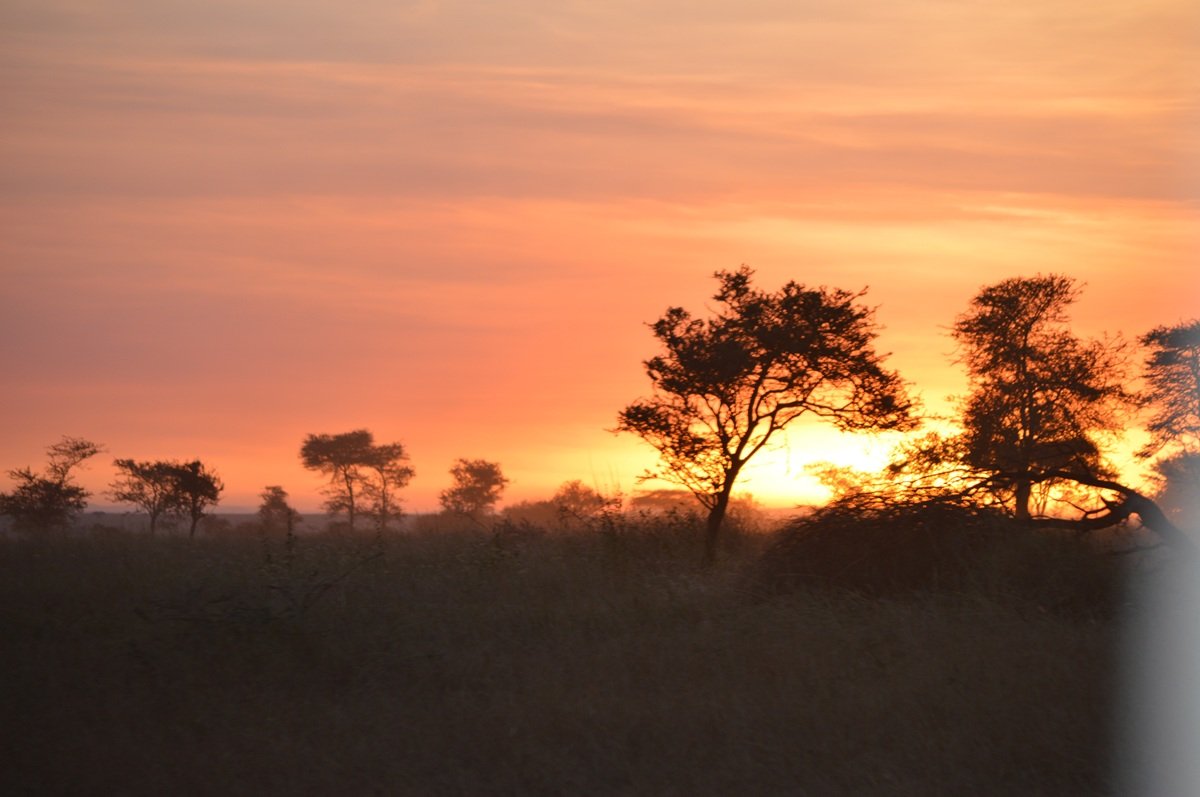
If Tanzania has not popped onto your radar as a potential destination, it’s time to change that. We have recently returned from a vacation there that encompassed a safari, plenty of national parks, fabulous food, and still left time for a lazy day or two by the pool. Read on for my tips on planning an unforgettable trip to Tanzania.
Where is Tanzania and How Do I Get There?
Tanzania is located on the East Coast of Africa and is bordered by Kenya to the north, Mozambique to the south, Malawi, Zambia, DRC, Uganda, Burundi, and Rwanda to the west. It officially became a nation in 1964, when Tanganyika (the mainland portion of Tanzania) and Zanzibar (an island nation that technically only existed for six months) united. Since 1996, Dodoma has been the capital city, although many government offices and the nation’s main airport remain in former capital and the country’s largest city, Dar es Salaam.
If you are doing a safari, however, you are more likely to fly into Kilimanjaro in the northernmost part of Tanzania. We flew in via Amsterdam. Regular flights also arrive via Addis Ababa, Doha, and Istanbul, as well as other airports across the East Africa region.
Depending where you are travelling from, reaching Tanzania can be quite a haul. From the US, we flew to Amsterdam, and then faced another equally long flight down to Kilimanjaro. See below for a few tips on making the travel easier.
Being the planners that we are, we drew up an extensive spreadsheet to compare the various tours and companies. You could theoretically travel on your own and rent a vehicle to get around Serengeti, but I wouldn’t bother. Being on the streets of Arusha was enough to convince me I would not want to deal with the traffic here. And once you’re in the Serengeti, what if you run out of gas? Or run into a problem? This is not a spot to just get out of your car or hope someone else drives by.
In the end, our choice of company came down to our available dates and the schedule we liked most. We decided to go with Tanzania Specialist and would highly recommend them. Once we had booked, we were paired with the fabulous Angel who emailed each week with updates, reminders, etc. If we had a question, we could message Angel and get a quick reply. Once there, we were met and taken to our hotel. A rep sat down with us and went over our schedule, allowing us to make any special requests. And then we had the most wonderful guide we could have hoped for. Lameck picked us up and was with us for the entire time we were on the mainland. He was incredibly knowledgeable about the area and the wildlife, and did everything he could to make sure we enjoyed our trip. By the time he dropped us off for our flight to Zanzibar five days later, we felt as if we were saying goodbye to an old friend.
Another bonus of Tanzania Specialist (and this was not a comped trip so I promise I am not being paid to say this), each day, it was us and Lameck in a Land Cruiser. No one else. So no stuffy vehicle crammed with other tourists. We could stop somewhere as long as we liked, or pick up and go to find something else. And because Tanzania Specialist is one of the larger companies, when we were in the national parks, the drivers all stayed in touch via radio. If one saw something, they would radio the other drivers so we could meet them and see if too. This was especially noticeable in Ngorongoro Crater – a message came across the radio about a rhino sighting and all of the company’s vehicles around the park converged on the spot, giving us a perfect vantage point before the crowds got there.
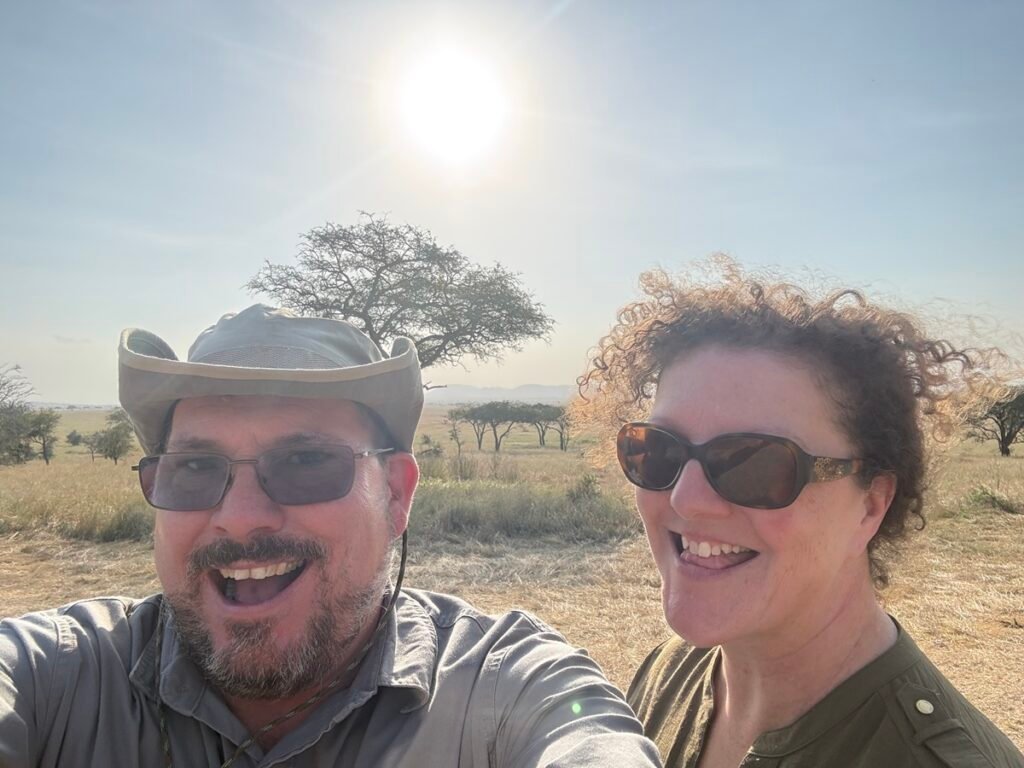
So Why Visit Tanzania?
Why visit Tanzania?
My obvious answer would be because it is a fantastic country with wonderful people and incredible sights. But let’s be a bit more specific:
- Kilimanjaro. My interest in Tanzania was actually sparked by our original plans to climb Kilimanjaro. In the end, plans changed, and we never even saw the mountain, but it’s there. Even if you don’t see it, it’s like an invisible presence that is hard to describe.
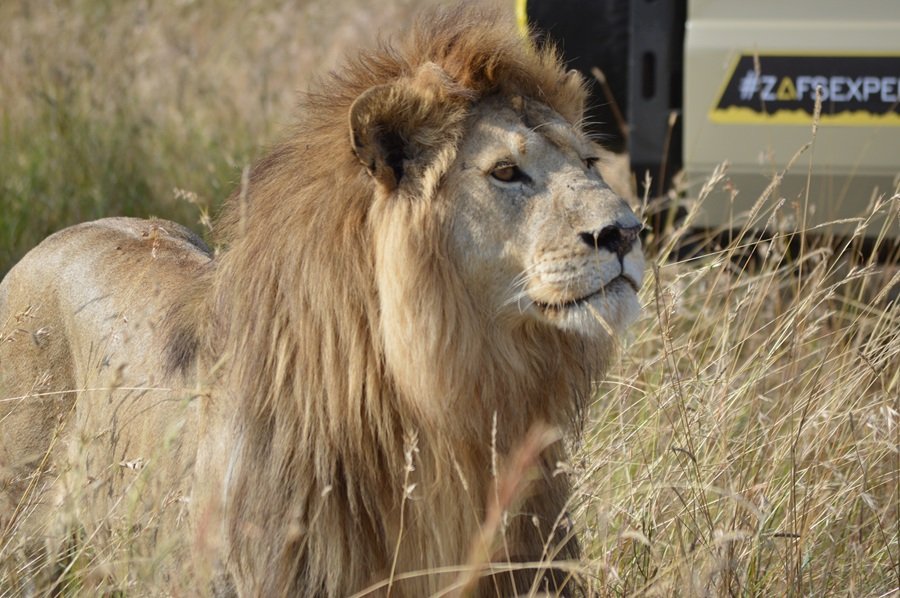
- The Serengeti. Magnificent, sprawling, and home to the Big Five and many more species, Serengeti is a must-visit. We saw leopards relaxing in the early morning light, heard hyenas scavenging after dark, watched herds of wildebeest and zebra begin their migration, came across a pride of lions playing like housecats in the long grasses, and engaged in a group singalong of The Lion Sleeps Tonight at the lodge in the evening!
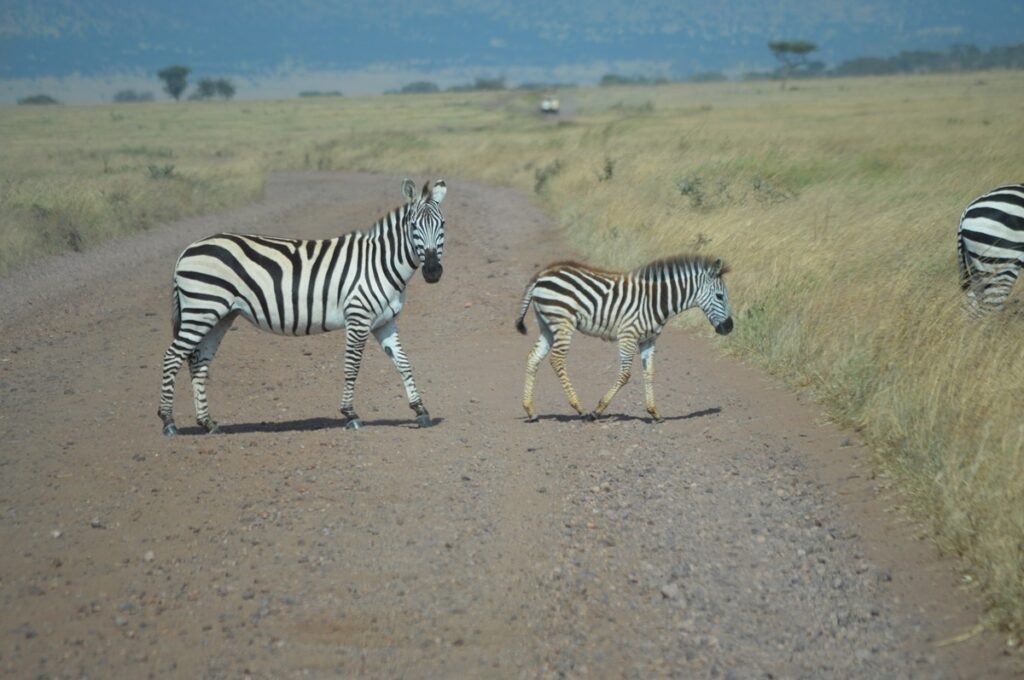
- I mentioned the Great Migration, and you have probably seen nature shows but that still doesn’t prepare you for the reality. Driving along, you suddenly stop as a group of zebra gallop across the road in front of you. But the group goes on and on. Wildebeest too. And every time you think it’s finished, more arrive. Hundreds, thousands, all following the same route. Truly breathtaking.
- Zanzibar. This was an afterthought, to be honest. We figured if we were going all that way for a safari, why not add on a few days in Zanzibar. The name sounded so exotic. In fact, it turned out to be well worth a visit in its own right. It has a rich history that you can explore in Stone Town (don’t miss the spice markets and the slavery museum). If you’re a monkey lover, like me, it’s home to the blue colobus and you can visit the forests where they live. And, you’re surrounded by the blue waters of the Indian Ocean, perfect for diving, boating, or just dreaming.
- National Parks. I’ve mentioned the Serengeti but there are so many other parks to visit. Our itinerary included Tarangire, Ngorongoro, and Lake Manyara, but there are lots more.
- Wildlife, see above.
- Then there are the people, the food, the towns…. You get the point. Read my upcoming posts for more details.
- Value for money. I keep reading that Tanzania is one of the most expensive places to visit for safari. We did not find that to be the case. In fact, one of the reasons we began to consider Tanzania over Kenya and other options was the price. Now you can certainly opt to pay more. Our booking company gave three different price levels for accommodation and we chose the lower, because we tend to travel with the view of it’s just a place to rest our heads at night. As it turned out, the lodges all blew us away with the quality. They were each their own little paradise where we felt like VIPS. I find it hard to imagine what else the more expensive options could offer. And here’s the main thing that our guide told us, you can spend as much as you want but you’ll all see the same wildlife, visit the same places, and so on.
When’s the Best Time to Go to Tanzania?
As we stepped off the plane at Kilimanjaro Airport into the comfortable June night air, we were surprised to see guides wearing thick coats and scarves. This was their winter. Don’t worry. Although the locals felt the need for a coat in the early morning or evening, for us it was the perfect temperature – reaching a sunny high averaging between 75 and 80F (24-27C), perhaps in the 60s overnight. On Zanzibar, the temps were higher, in the mid to high 80s, but as our guides like to remind us, this was their winter. I’ll take it!
June was the start of the peak season that runs until September. The tourist numbers were starting to climb and the rainy season was over (although we did have one or two quick showers). This is also the time of the Great Migration, hence the larger number of visitors.
October through March sees fewer visitors, although it’s an equally good time to visit. The summer temps, especially in the northern parts of the country are a bit higher, but still typically in the mid-80s so not unbearable.
April to May is the rainy season.
Visas and Insurance
If you are visiting from the US, the EU, Canada, or the UK, you will need a visa to enter Tanzania. You can apply for it at the airport on your arrival, but trust me – apply in advance. Our flight was delayed and we landed at 10.30 pm eager to fall into bed. We were able to breeze through the airport while a line of people waited to deal with visas. Save yourself the time and trouble. A visa costs US$100 for US passport holders, US$50 for those with EU, Canadian, or British passports. Apply online at Tanzania eVisa. I recommend applying about 5-6 weeks before your trip in case there are any problems. Your visa will be delivered by email and you simply show the email upon arrival. (You may want to print out a copy to be on the safe side.)
One word of warning when you apply: The application site is not always the most reliable. I made several attempts only to find the site froze or crashed midway through the process. If that happens, try again later. It’s a good example of the Tanzanian philosophies of hakuna matata or polepole – it’ll get done eventually.
Should you decide to spend part or all of your vacation in Zanzibar, you will also need to pay for a Mandatory Travel Insurance. Again you can either pay in advance or on arrival. All foreign visitors to the islands must pay this, even if you already have other coverage. It covers certain medical emergencies and emergency evacuation. However, I would still advise getting a policy elsewhere to cover your entire trip.
Speaking of insurance, we got a policy through Allianz that covered delays, cancellation, baggage, and medical. We didn’t need to use it but we also wanted the peace of mind. Check through your frequent flyer program or credit cards for possible discounts or coverage options.
Health Tips
Plan in advance. In the case of Tanzania, yellow fever is not a required vaccination. We just needed a typhoid shot that lasts two years. (A course of pills that lasts five years is also an option.) And malaria pills. We found varying information online as to whether they were needed but decided to play it safe.
If you have a local travel clinic, that is a great resource. I originally went to our local Walgreens. Their site claimed that each branch has a travel expert. However, when the pharmacist’s “advice” was to check Google followed by a claim that he’d never heard of anti-malarials, we went elsewhere.
The water in Tanzania is not safe to drink. The vehicle was loaded with bottled water each day and every hotel provided an ample supply. You’ll also need it for brushing your teeth (see tips below) – don’t make the same mistake I did.
What to Take to Tanzania?
We are both light packers, and so just took a backpack plus a light daypack. I think we barely reached half of our entire baggage allowance. We also used backpacks because they can fit more easily into the smaller planes for internal flights and into the back of the Land Cruiser. All the same, I was amazed to see just how much some people took. At Kilimanjaro Airport, I saw people loading up trolleys with piles of hard-sided cases! Don’t do it. There’s no need and it just makes things difficult. You can have laundry done easily enough.
For the flight I wore a pair of comfy capri pants, sneakers, a t-shirt, and a light cotton jacket. I also packed two pairs of linen pants, a couple of linen shirts, some t-shirts, swimsuit, and sandals. Safari is not a time for your vacation fashion show. You want comfy layers in neutral colors. White can be comfortable. Tan, brown, and green are all recommended as they do not attract tsetse flies and will also blend in, not alerting the wildlife. We were cautioned against blue or black as they attract the flies. And no camouflage prints – those are for the military. Before departing, we sprayed our clothes down with permethrin to help repel bugs.
Another note about clothing: The population of Tanzania is about 60% Christian, 40% Muslim. On Zanzibar, the population is about 90% Muslim. We wanted to be respectful of local customs and so I took a light scarf, and made sure I did not wear short shorts or anything that might cause offense. Not all tourists observed this, but I think there is a lot to be said for showing consideration (plus linen was so very comfortable).
Other things to pack:
- A hat.
- Sunglasses.
- Insect repellant.
- Sunscreen (especially for when in Zanzibar).
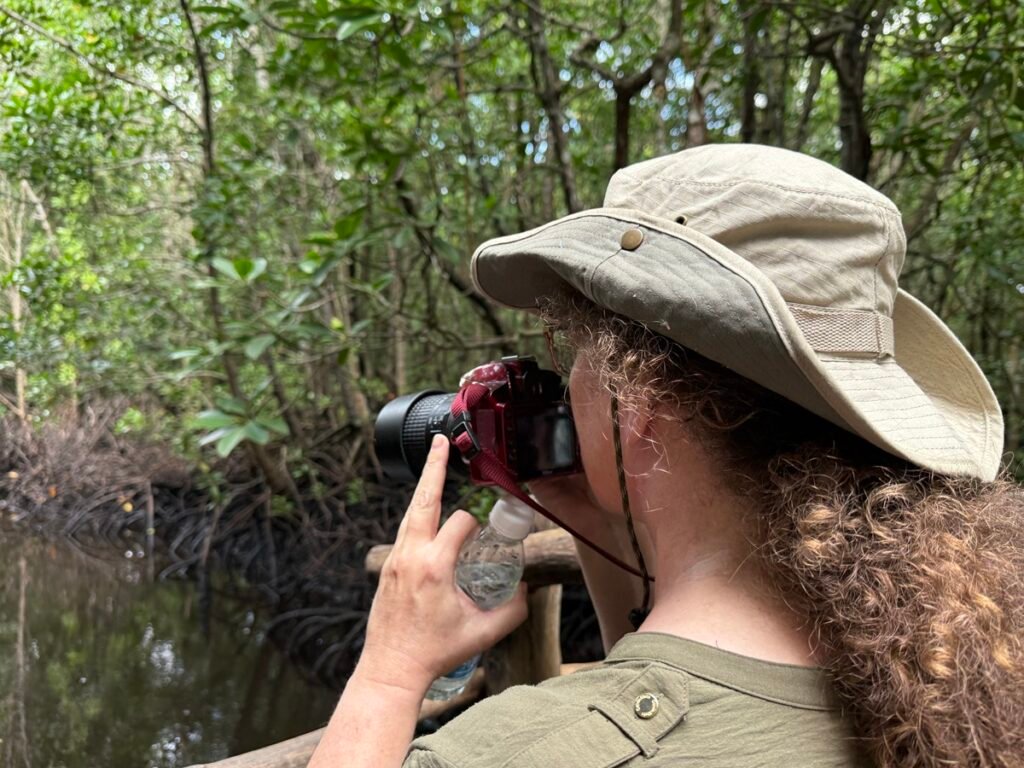
- Camera – we each had a smartphone and I had my SLR with a 50-200mm lens. We got some great pics even with the smartphones. I saw people lugging or renting giant lenses and if you want to, go for it. But don’t feel as if you have to take a bunch of heavy equipment.
- Binoculars.
- Any medications – prescription, anti-diarrheal, etc. If you get motion sickness, take some dramamine as the long days of rough roads (the famed African massage) may take their toll. If you need anything else, pharmacies are readily available and your guide can take you to one.
- Toiletries – again we kept it pretty simple.
- Cash. We didn’t need anywhere near as much cash as we thought since the tour was all inclusive. All we paid for were drinks, souvenirs and incidentals, and tips. As much as Tanzania tries to discourage it, the US dollar is preferred by many hotels and guides and so we tipped accordingly. Go to your bank before you leave to get new bills. We finally changed a little bit of currency in Zanzibar but barely used it. Don’t assume that credit cards will be widely accepted, although it can be handy to have a Visa available for some hotels.
- Adapter plugs for any electronics.
- SIM card. We wanted a data-only card for our trip, to have in case of emergencies and to look up info. Although I’ve used various companies in the past, this time we decided to try Saily. Their prices and plan options were great, but what I liked best of all was how easy it was to use. I could download it to my phone before leaving the US and once I landed in Tanzania and switched my phone on, it automatically switched to the Saily SIM and was ready to go. So much easier than on previous trips where I’ve found myself needing to call the company to set things up (how do you call them when you need the SIM to work to make the call?). So, I would recommend Saily and use them for my next trip. (Note: this is an affiliate link. While it will not cost you anything to click on it, any purchase resulting may make me a buck or two.)
When We Do It Again…
Needless to say we loved Tanzania and are very keen to go again. Here’s what we would probably do differently next time:
- Break up the trip. Coming back home to the US from Zanzibar took 40 hours from door to door, including four flights, various delays, and a drive at the end. Next time, we would split the journey in each direction, taking a couple of days to explore Amsterdam and catch our breath.
- Go for longer. We were restricted by husband’s vacation time and the length of time needed to travel there, and while our trip was absolutely fantastic, we wish we’d had longer. Next time, we’d allow for at least four days in Serengeti, plus longer to explore the northern part of the country. I’d also love to explore the southern parts and see the chimpanzees, but that would obviously make it even longer.
- Pack some antibiotics. We took the regular health precautions, but next time I would pack a course of antibiotics so we have them if we need them. Since I slipped up once or twice while brushing my teeth and contracted an infection from the water, having some with me would have been a good way to put a quick end to it.
To Start Planning:
Tanzania Specialist and our review of them on TripAdvisor.
2 thoughts on “Tanzania: How to Plan an Unforgettable Trip”