It seems Japan is on everyone’s travel list at the moment, and with good reason. The weak yen means that you can get more bang for your buck, so why not take advantage? I would hazard a guest that most visitors are sticking to the same few destinations – Tokyo, Kyoto, and perhaps a side trip to Osaka or Hiroshima. And those are all fabulous places to visit. But there is so much more to this magnificent country, so I would recommend you consider visiting at least one of Japan’s National Parks.
There are 35 national parks in Japan, all celebrating the national concept of harmony with nature. The first national parks were designated in 1934. Four years later, another four were added and so this year, they celebrate their 90th birthdays. Let’s take a look.
Fuji-Hakone-Izu
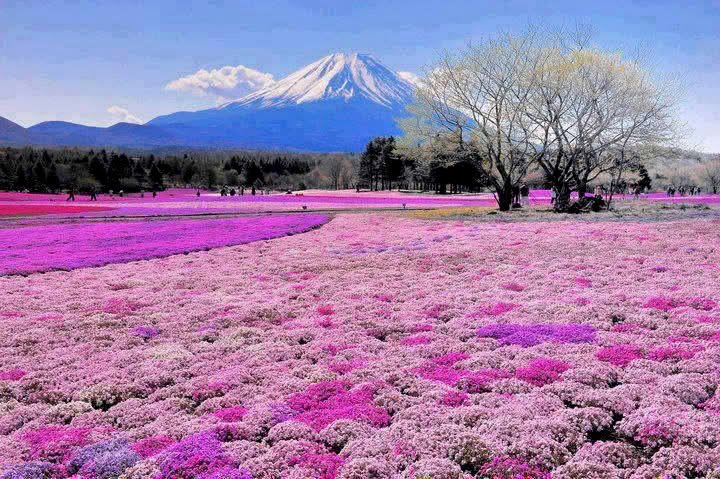
For visitors to Japan, a photo of the iconic Mount Fuji is something of a must-have. That combined with the overall popularity of the beloved Fuji-san and its proximity to Tokyo make Fuji-Hakone-Izu National Park the most popular in the nation.
Mount Fuji is, as every Japanese schoolchild learns, the tallest peak in Japan at 3,776 meters in height. For centuries, it has been revered as a sacred mountain. Climbing it at least once is akin to a pilgrimage for many Japanese. The climbing season is two to three months during the summer, and if you are keen to reach the summit, do what most people do and plan to climb overnight, reaching the top in time to watch the sunrise. Be prepared though. This is not your solitary hike. I spent the night several decades ago part of a very lengthy, slow-moving train of people all making their way up. And then after cheering the sunrise, you have a long slog to the bottom again. If climbing it is not on your agenda, do as many visitors do and take a bus to the fifth station, where many hikers set out from. You can get your souvenirs and perhaps a photo or two.
But don’t just plan to see the famed volcano. Take time to explore the Izu Peninsula which was one of my favorite destinations when I lived in Japan and wanted a few days away. Enjoy the coastline, take in the sulfurous spas of Hakone (known for their reputed healing properties), and take a boat trip out among the islands, often with a dolphin companion or two. It’s only a few hours from central Tokyo but feels a million miles away from the hustle and bustle of the crowded metropolis.
And, as a former resident of Yamanashi Prefecture, I would be remiss if I did not suggest you head to that northernmost part of the park for views of Fuji, the beautiful Five Lakes, and (if you want something on the eerier side) Aokigahara Forest, commonly referred to as the suicide forest.
Towada-Hachimantai
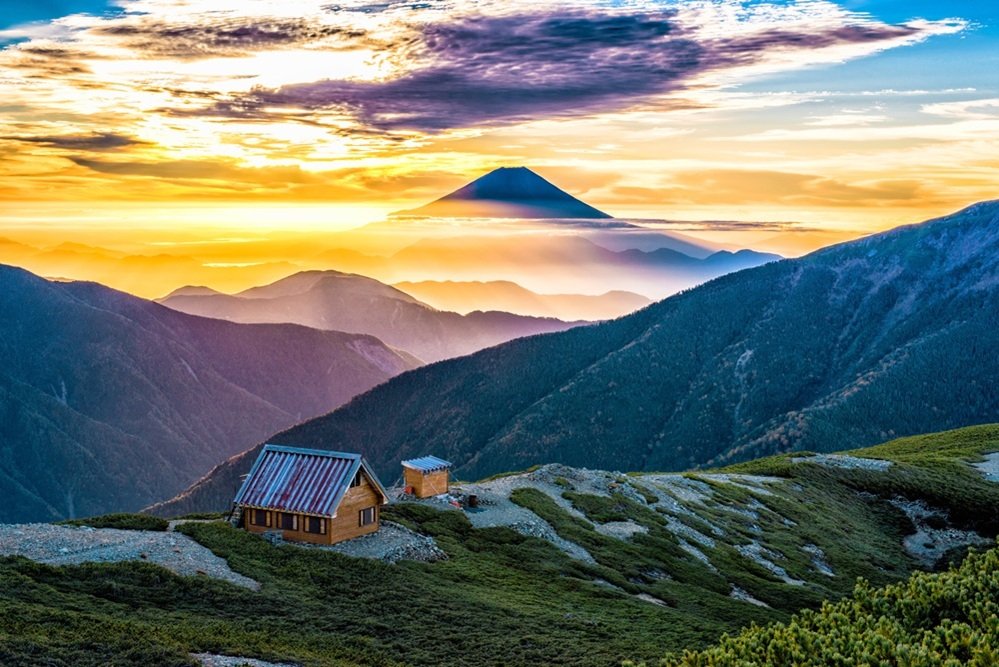
Take a train to the northern end of Honshu and pay a visit to Towada-Hachimantai National Park. Whenever you go, you can be assured of a wide array of activities, scenery, and wildlife. Be warned though, there is little in the way of public transport in the park so you may want to rent a car if you took a train to get here. Being so far north, this is a great spot for late season skiing through the backcountry. Or if things are already thawing, hop in a canoe to explore Lake Towada. The summer is peak hiking time here with comfortable temperatures, masses of flowers, and guided tours around the area’s many volcanoes. And in winter, this is a snowy paradise.
The park’s wildlife includes the perennial favourite – the Japanese macaques. Do remember that they are wild animals and while they look cute, they are best watched from a distance. Or you might catch a glimpse of the Japanese serow, a sort of goat-antelope designated a Special National Monument.
And of course, don’t forget to end your days with a soak in a traditional Japanese onsen.
Yoshino-Kumano
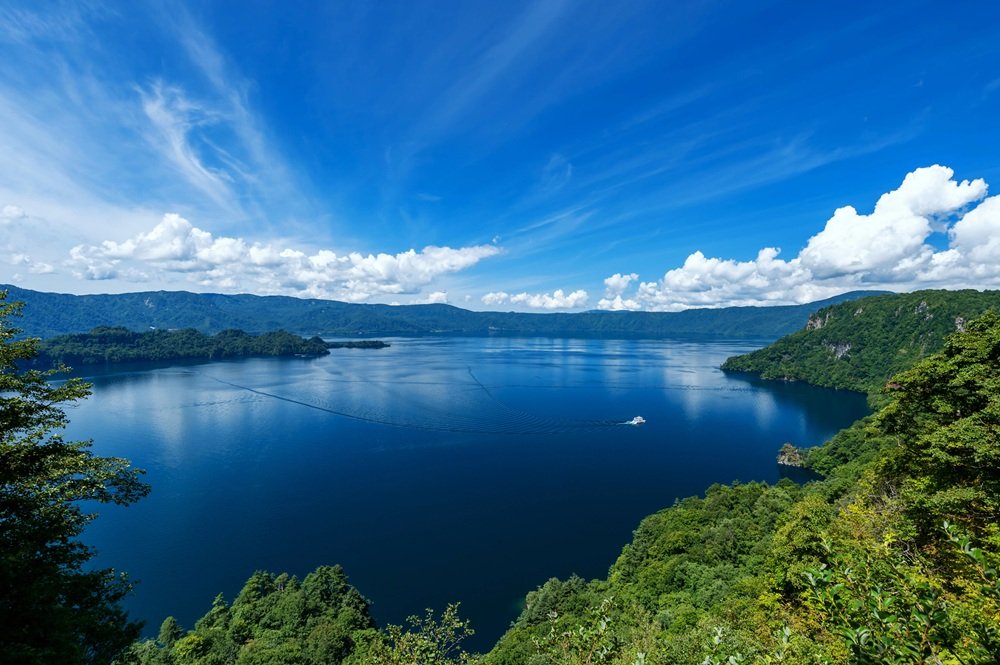
Thousands of tourists visit Kyoto and the ancient city of Nara. Few, however, continue their journey for another few hours to the nearby Yoshino-Kumano National Park, famous for its spectacular cherry blossoms. And in a country that adores cherry blossoms, you know these must really be something special. Mount Yoshino is considered possibly the best place to view the blooms each spring and the pink-blanketed vistas can be seen from miles around.
From striking trees to striking beaches – Shichiri-mihama Beach may be pebbly rather than sandy, but it lies against a stunning backdrop of dramatic cliffs and a black pine forest. Perhaps enjoy a little coastal fishing while you are here as well, or go hiking along the Odaigahara Plateau.
Daisen-Oki
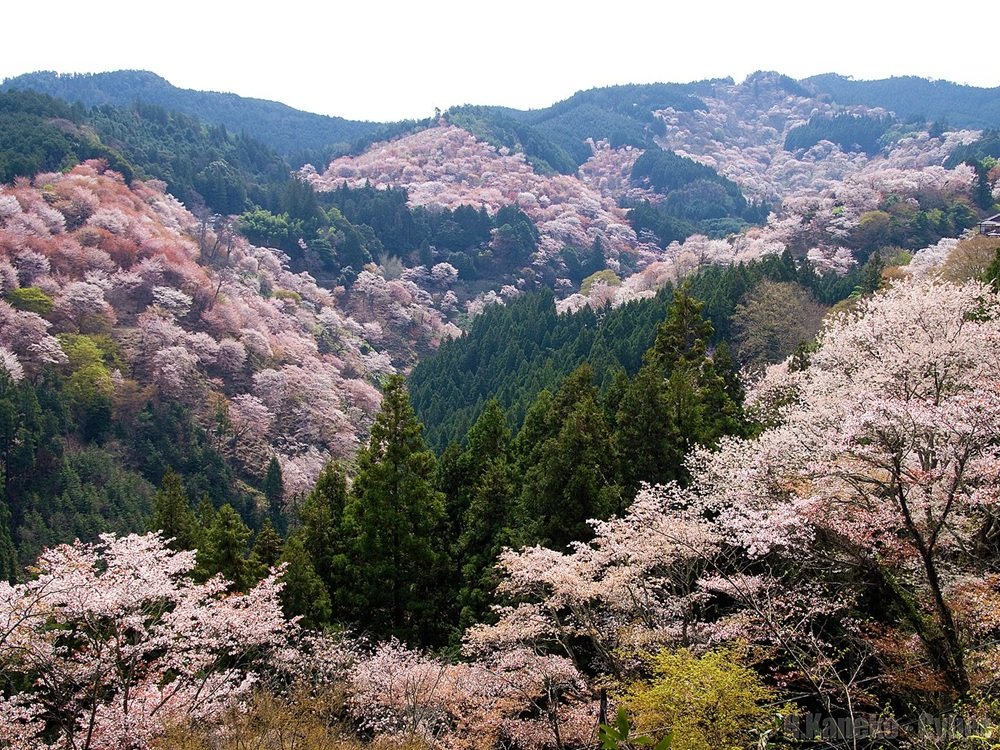
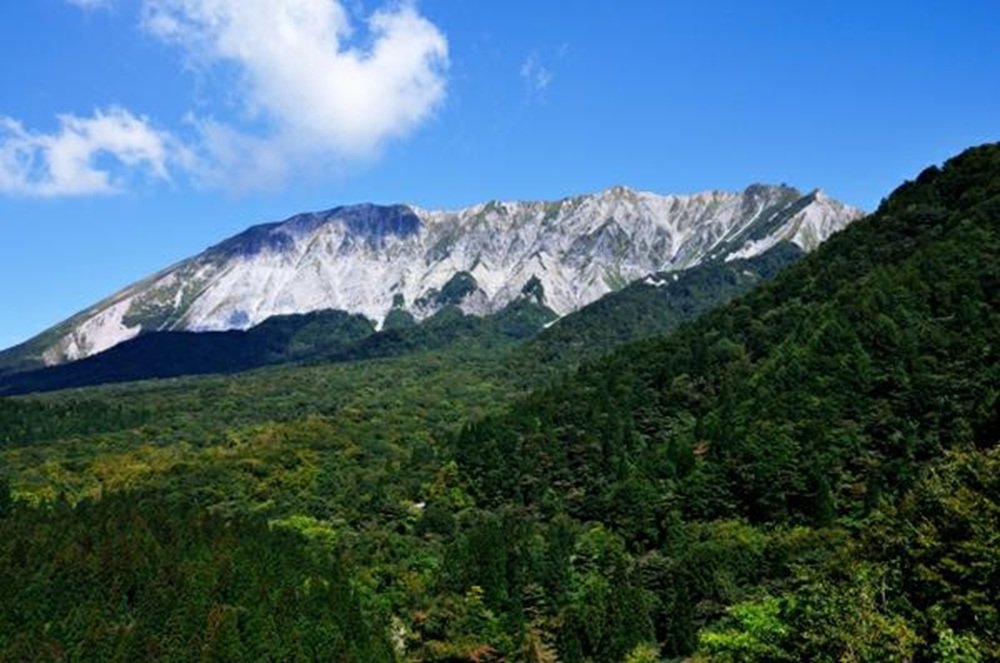
Skip the crowds of Mount Fuji and see Japan’s oldest sacred mountain, Mount Daisen, located in Tottori, Japan’s most sparsely populated prefecture. The name literally translates to “Great Mountain” and halfway up is a Buddhist temple founded in 718. Because of its sacred nature, climbing the mountain used to be forbidden to all but a select few. Today it is open to all, and it takes about three hours to reach the summit.
But there are more than mountains at Daisen-Oki National Park. The Oki in the name refers to the Oki Islands, a rugged archipelago of more than 180 islands, now a UNESCO Global Geopark. Four of the islands are inhabited, and archaeologists have found evidence of human life here dating back to the Paleolithic Era. There are also known as the exile spot for several Japanese emperors due to their remote location. Ferries connect the islands to the mainland.
If you visit in June you may be fortunate enough to see the annual Mount Daisen Natsuyama (Summer Festival), which includes a torchlit parade designed to protect all those who climb the mountain.
Other Parks to Discover
To plan your trip, download brochures and maps for these and other Japanese National Parks at JNTO.